
History
Origins of Mount Jerome
Mount Jerome takes its name from the 17th century, when part of the land was owned by Rev. Stephen Jerome. In the early 1700s, the estate was acquired by the Wilkinson family, a wealthy Dublin banking family based on Dawson Street.
They constructed a handsome mansion—now used as the cemetery offices—and developed the estate into a beautifully landscaped property with gardens, fishponds, and flowing streams.
The Wilkinson Family & Expansion
The last Wilkinson to live at Mount Jerome was Abraham Wilkinson, who had one daughter, Maria. During the late 18th century, Abraham expanded his property holdings significantly:
1789 – Purchased Kimmage Manor (now the Holy Ghost Missionary College) and Terenure House (now a Carmelite secondary school).
1791 – Acquired Bushy Park Estate (now a public park, convent, and school).
Marriage & Transfer of Wealth
In 1796, Maria Wilkinson married Robert Shaw Jr. As part of her dowry, Abraham gifted Bushy Park Estate and £10,000.
However, prior to this, in the 1780s, Abraham had already sold Mount Jerome to John Keogh, marking a major transition in the estate’s ownership.
John Keogh: Merchant & Political Figure
John Keogh was a self-made Catholic silk merchant from Dame Street and part owner of a brewery at Harold’s Cross. Rising from humble beginnings, he became a prominent political figure.
He served as chairman of the Catholic Committee, which campaigned for civil rights for Catholics in Ireland.
Wolfe Tone & Political Reform
The Catholic Committee included a young Protestant assistant secretary, Theobald Wolfe Tone. In 1792, the committee sought voting rights for Catholics.
Mount Jerome became a centre of political mobilisation during this period and a frequent meeting place for reformers.
Catholic Rights & Emancipation
In 1793, legislation granted Catholics limited voting rights. At the time, Catholics were still referred to as “Papists” and their religion as “Popery” in official language.
Through the efforts of John Keogh and others:
- The Waterford Election (1826) demonstrated growing Catholic political power.
- Daniel O’Connell was elected to Parliament in 1828.
- Catholic Emancipation was achieved in 1829.
Wolfe Tone praised Keogh, stating that his contributions to Ireland and Catholic rights were invaluable.
Later Years of John Keogh
After Robert Emmet returned from France in 1802, he sought advice from Keogh, who declined involvement, citing his age.
John Keogh died in 1817 and was buried in St. Kevin’s Churchyard, Camden Row.
Return to Wilkinson Ownership
In 1830, Keogh’s son Cornelius sold Mount Jerome to a cemetery company formed by Robert Shaw, Maria Wilkinson’s husband—bringing the estate back into Wilkinson connections.
Mount Jerome Cemetery opened in 1836, followed by the Protestant church in 1837.
Catholic Burial Practices
Catholic burials did not take place at Mount Jerome until 1920, due to a dispute at Glasnevin Cemetery.
Before 1825, there were no dedicated Catholic cemeteries in Ireland. Catholics were buried in Protestant graveyards, often without proper rites.
To address this:
- Families held prayers at home.
- A priest blessed clay, placed in the coffin to symbolise consecrated ground.
John Keogh himself was honoured with this tradition.
Layout & Features of the Cemetery
Mount Jerome spans 47 acres, offering a variety of walking paths and landscaped areas.
Key features included:
- Gothic granite and wrought iron entrance gates
- A lodge (c.1860), waiting room, toilets, and carriage shed
- Monumental stonemason workshops
- A mortuary chapel with underground vaults (built 1847)
- Mount Jerome House, with rose gardens, orchards, stables, and fountains
Burials & Notable Sections
- The first burial was of the Pollock twins on 14 September 1836
- The first local burial was Anna Day on 1 November 1836, who died of tuberculosis
- A Muslim cemetery section was established, with its first burial in 1968
Design Influence & Restoration
The cemetery’s design was heavily influenced by Highgate Cemetery, particularly in its vault construction and grave layout.
In recent years, the current owners have invested significantly in restoring and preserving Mount Jerome, bringing it closer to its original splendour.
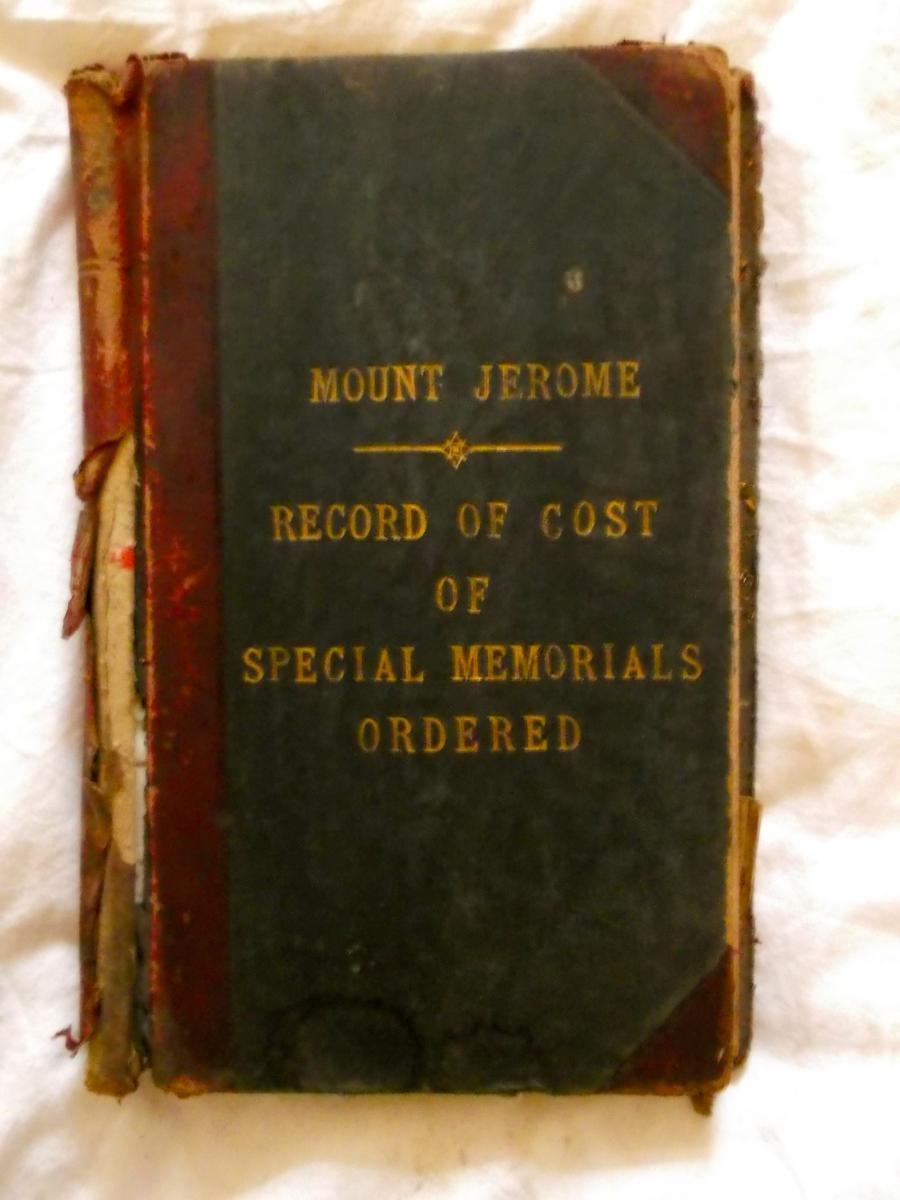
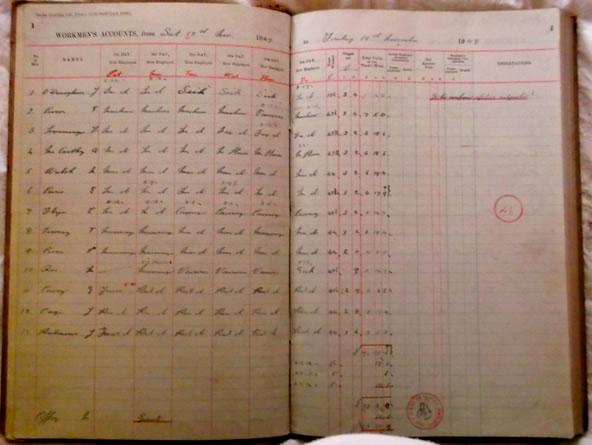
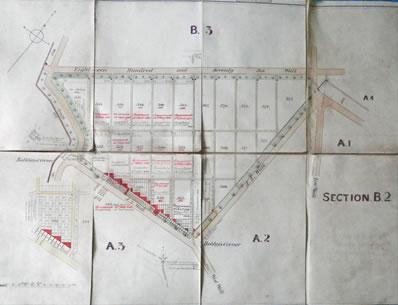
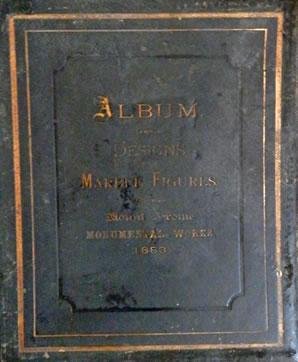
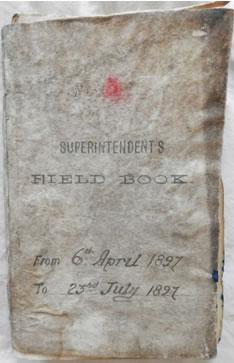
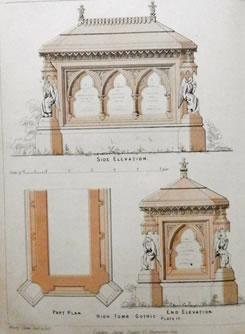
Mount Jerome Monumental Company has been in existence for one hundred and seventy three years, established in Mount Jerome Cemetery in 1837.


